The Global Impact of Landmines: Why We Must Act Now
15 Sep 2021 Administartor, IIFOMAS

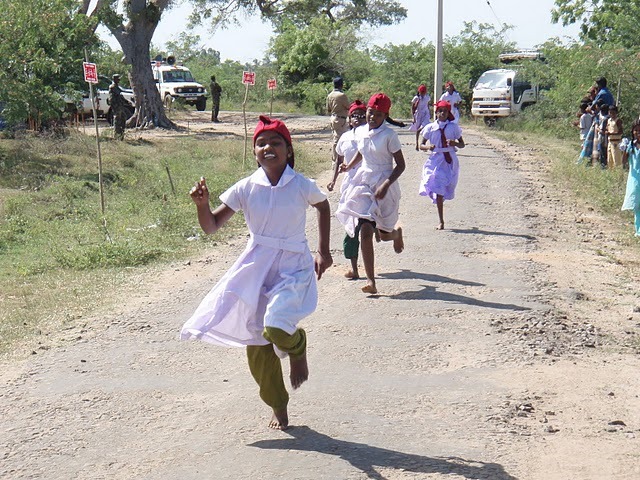
Beyond the immediate threat to human life, landmines create profound economic and social barriers that trap entire communities in cycles of poverty and underdevelopment. Contaminated agricultural land cannot be safely farmed, forcing communities to abandon fertile soil and seek alternative livelihoods in already overcrowded urban areas. Essential infrastructure projects—roads, schools, hospitals, and water systems—cannot be built or maintained in mined areas, effectively isolating affected populations from basic services and economic opportunities. The psychological impact is equally devastating, as the constant fear of stepping on a mine transforms daily activities like walking to school, fetching water, or visiting neighbors into life-threatening gambles. This climate of terror undermines social cohesion and prevents communities from rebuilding their lives even years after peace agreements have been signed.
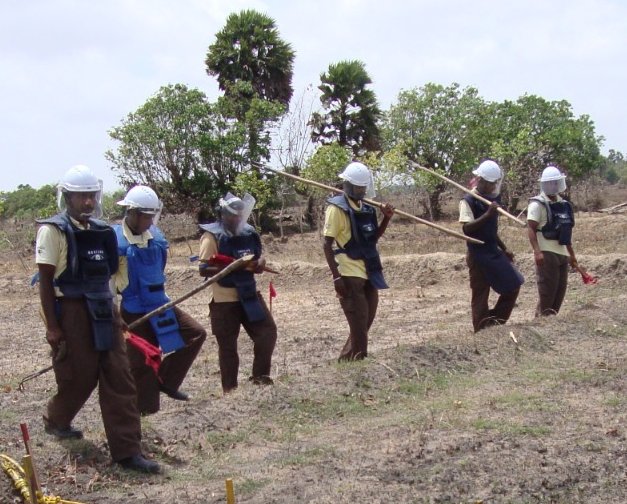
The urgency of addressing the global landmine crisis cannot be overstated, as every day of delay means more innocent lives lost and communities held hostage by these weapons of the past. While significant progress has been made since the 1997 Mine Ban Treaty, with over 30 countries declared mine-free and casualty rates declining, the work is far from complete. International cooperation through increased funding for clearance operations, victim assistance programs, and survivor support is essential to accelerate progress toward a mine-free world. The technology and expertise for safe, effective demining exist today—what is needed is sustained political will and financial commitment from the global community. The moral imperative is clear: no child should lose a limb while playing in their backyard, no farmer should fear death while tending their crops, and no community should remain imprisoned by weapons designed for wars that ended decades ago.
Search
Categories
Blog

06 Apr 2026
Mine Action in the Era of Hybrid Warfare | International Mine Action Day
06 Mar 2026
Technology and Cooperation for a Safer Tomorrow ( AI, Robotics, and Global Partnerships in Mine Action

05 Mar 2026
One Humanity: Integrating Mine Action with Global Humanitarian and Development Goals
25 Jan 2026
MINE ACTION FOR THE FUTURE : ENSURING SAFER COMMUNITIES

21 Jan 2026
AI-Driven Predictive Analytics: Landmine Threat Mitigation in the Russia-Ukraine Conflict

20 Aug 2025
Governments Reverse Landmine Ban Amid Rising Security Concerns

14 Aug 2025
The Future of Mine Action: Innovation and Global Cooperation
01 Aug 2025
Training & Capacity Building in Conflict Zones

28 Aug 2021
Mine Action Synopsis
20 Aug 2021
Enhanced Role of India in the Global Mine Action