Mine Action Synopsis
28 Aug 2021 Administartor, IIFOMAS

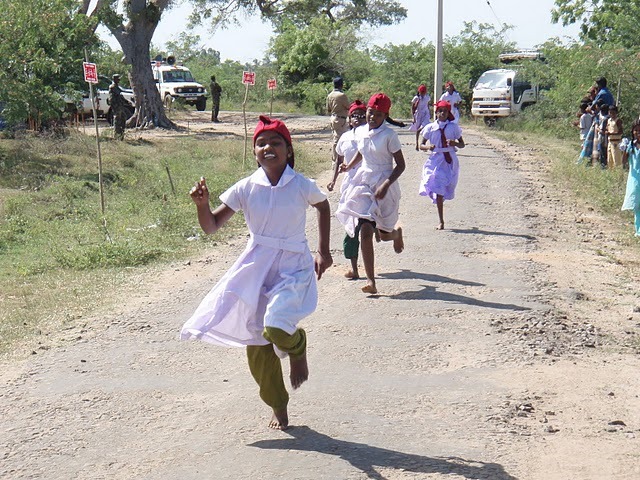
The human cost of landmines in contemporary warfare is measured not just in deaths but in the systematic destruction of civilian life and social fabric. Every year, thousands of civilians—farmers returning to their fields, children playing near their homes, refugees attempting to return to their communities—trigger these devices with catastrophic results. Women and girls face particular risks as they often travel longer distances to collect water, firewood, or food, increasing their exposure to mined areas. The randomness of these weapons creates a climate of perpetual fear that paralyzes entire communities, as people must weigh every step outside their homes against the possibility of death or dismemberment. This psychological warfare effect is often intentional, designed to force population displacement and prevent normal life from resuming in contested territories.
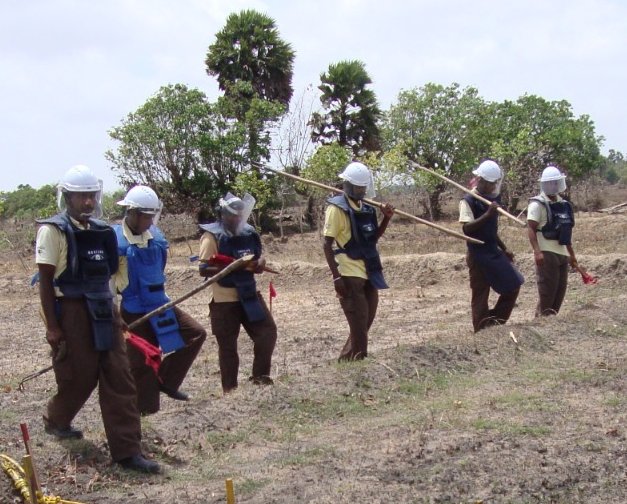
Contemporary conflicts have also witnessed the evolution of landmine technology and tactics, making these weapons even more dangerous and persistent. Modern mines are increasingly difficult to detect, with many constructed from plastic materials that evade traditional metal detectors used by clearance teams. Some are equipped with anti-handling devices that explode when disturbed during removal attempts, making clearance operations extremely hazardous and time-consuming. In conflicts like those in Ukraine and Syria, the extensive use of improvised explosive devices (IEDs) alongside conventional mines has created contamination patterns that are more complex and dangerous than those seen in previous decades. These weapons are often deployed in urban areas, schools, hospitals, and civilian infrastructure—violations of international humanitarian law that demonstrate a deliberate targeting of non-combatants.
The international community's response to landmine casualties in modern conflicts has been inadequate relative to the scale of the crisis, highlighting the urgent need for stronger enforcement mechanisms and expanded humanitarian action. While the Mine Ban Treaty has achieved significant success in reducing landmine use globally, key military powers continue to deploy these weapons, and non-state actors operate outside international legal frameworks entirely. The resources allocated for emergency medical care, rehabilitation services, and long-term support for landmine survivors remain woefully insufficient, particularly in conflict-affected regions where healthcare systems have been destroyed or severely compromised. Each preventable death and injury from landmines represents not only a personal tragedy but a failure of the international system to protect innocent civilians from weapons whose primary impact is on non-combatants. Only through sustained pressure on violating parties, increased funding for victim assistance, and rapid deployment of clearance operations can the global community begin to address the ongoing humanitarian catastrophe that landmines represent in modern warfare.
Search
Categories
Blog

06 Apr 2026
Mine Action in the Era of Hybrid Warfare | International Mine Action Day

06 Mar 2026
Technology and Cooperation for a Safer Tomorrow ( AI, Robotics, and Global Partnerships in Mine Action

05 Mar 2026
One Humanity: Integrating Mine Action with Global Humanitarian and Development Goals
25 Jan 2026
MINE ACTION FOR THE FUTURE : ENSURING SAFER COMMUNITIES

21 Jan 2026
AI-Driven Predictive Analytics: Landmine Threat Mitigation in the Russia-Ukraine Conflict

20 Aug 2025
Governments Reverse Landmine Ban Amid Rising Security Concerns

14 Aug 2025
The Future of Mine Action: Innovation and Global Cooperation
01 Aug 2025
Training & Capacity Building in Conflict Zones

15 Sep 2021
The Global Impact of Landmines: Why We Must Act Now
20 Aug 2021
Enhanced Role of India in the Global Mine Action