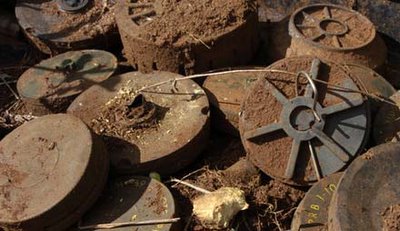
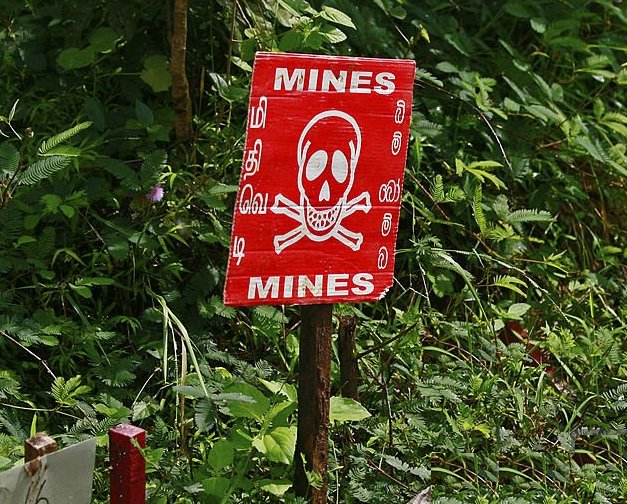
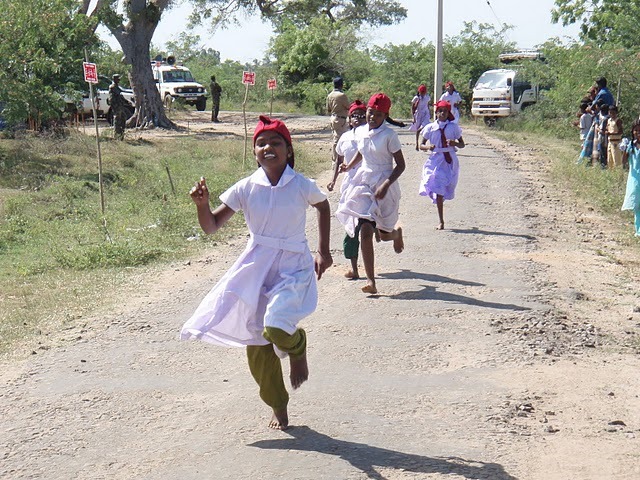
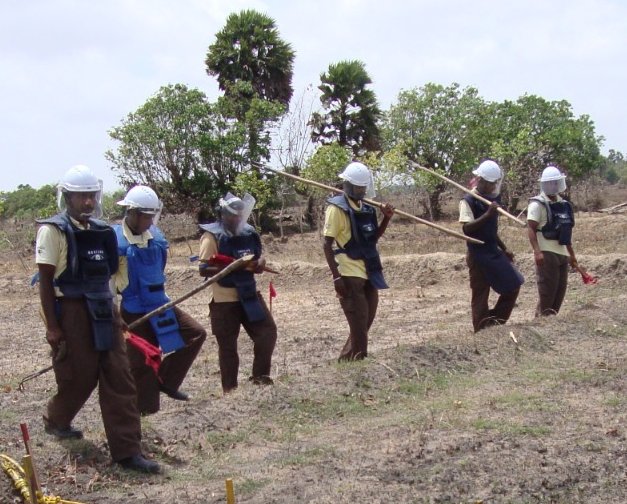
In a dramatic reversal of nearly three decades of humanitarian progress, five NATO and EU member states—Finland, Poland, Lithuania, Latvia, and Estonia—have initiated withdrawal from the 1997 Ottawa Treaty, which bans the use of anti-personnel landmines. Ukraine has since followed suit, citing urgent battlefield necessity amid ongoing war.
Why the U-Turn?
The driving force behind these decisions is the escalating threat perception from Russia, particularly after its 2022 invasion of Ukraine. For countries along NATO’s eastern flank, proximity to a resurgent and unpredictable neighbor has fundamentally shifted their security calculus.
Proponents of withdrawal argue that the Ottawa Treaty, while noble in intention, fails to account for the evolving realities of modern warfare and national defense needs. Landmines, they say, provide vital defensive depth, especially for smaller countries with limited conventional forces and long, exposed borders.
Finland’s parliament defended its decision as a means of securing its 1,340 km frontier with Russia, while Latvia and Lithuania have described landmines as essential for preserving “operational flexibility.” Ukraine, for its part, insists that it cannot afford to limit its tactical options while Russia—never a party to the treaty—employs mines without constraint. From their viewpoint, adherence to the ban places them at a strategic disadvantage in an increasingly asymmetric conflict.
A Wider Legal Framework
While the Ottawa Treaty seeks a complete ban on anti-personnel landmines, it is not the only international agreement governing their use. Additional Protocol II (AP II) of the Convention on Certain Conventional Weapons (CCW), to which many of these withdrawing states remain committed, offers a more nuanced framework. AP II allows for the regulated use of landmines, emphasizing precautions such as detectability, record-keeping, and the protection of civilians.
Supporters argue that AP II strikes a more realistic balance between military necessity and humanitarian concerns. They maintain that landmine use can be legitimate and responsible when subject to rigorous controls, especially in countries facing active threats to territorial integrity.
Humanitarian and Legal Concerns
Nevertheless, humanitarian organizations warn that these withdrawals could erode long-standing norms against indiscriminate weapons. Reports from Human Rights Watch, the International Campaign to Ban Landmines (ICBL), and others reveal that over 85% of mine victims are civilians—nearly 37% of whom are children.
Mines continue to kill and maim long after fighting ends, devastating communities, agriculture, and infrastructure. Critics fear that this shift may trigger a domino effect, weakening the stigma against landmines and undermining broader frameworks of international humanitarian law. Nobel Laureates, NGOs, and the UN Secretary-General have voiced strong concerns that the integrity of the Ottawa Treaty is at risk
Humanitarian and Legal Concerns
Supporters of landmine use emphasize that modern minefields can be carefully mapped, monitored, and cleared post-conflict. They argue that technological advancements—such as self-destructing or self-deactivating mines—can reduce long-term risks to civilians, while still serving immediate security needs.
However, even “smart” mines are not fail-proof; some studies suggest that up to 10% can malfunction, still posing danger to civilians. Critics maintain that no system, however advanced, can fully eliminate the humanitarian cost.
What Lies Ahead
Under treaty terms, withdrawals take effect six months after official notification. Estonia, Latvia, and Lithuania are expected to exit by late December 2025, with Finland and Poland following shortly after. Ukraine’s withdrawal is currently under parliamentary review; however, treaty rules bar withdrawals during active conflict, complicating its legal pathway.
As the debate unfolds, the international community faces a difficult balancing act: safeguarding national security without abandoning hard-won humanitarian protections. Whether the Ottawa Treaty can endure this wave of withdrawals—or whether a new consensus emerges around alternative frameworks like the CCW—remains to be seen.