One Humanity: Integrating Mine Action with Global Humanitarian and Development Goals
I. The Situation - Beyond Clearance, Toward Human Dignity
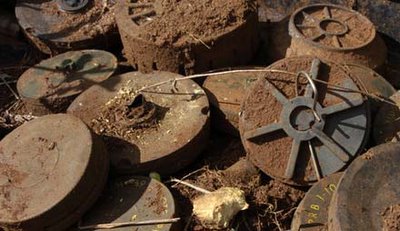
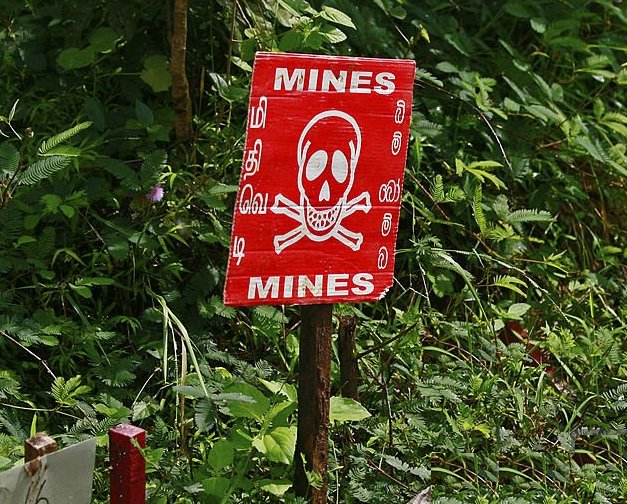
Landmines and unexploded ordnance (UXO) remain silent barriers to progress in more than 60 countries worldwide. According to the Landmine Monitor, over 4,000 casualties are recorded each year, with civilians accounting for nearly 85% of the victims — many of them children. The tragedy extends far beyond injury and loss of life. Contaminated land halts agriculture, delays infrastructure, restricts school access, and discourages investment.
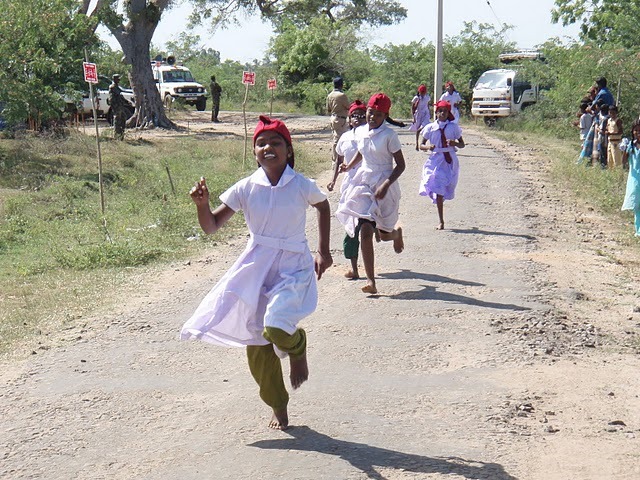
Mine action is therefore not merely a post-conflict necessity; it is a foundation for sustainable development. Every field cleared allows farmers to sow again. Every safe road reconnects markets. Every school corridor made secure restores childhood. “One Humanity” means recognizing that safety, dignity, and opportunity are indivisible — and that recovery anywhere strengthens stability everywhere.
II. The Solution - Integration, Not Isolation
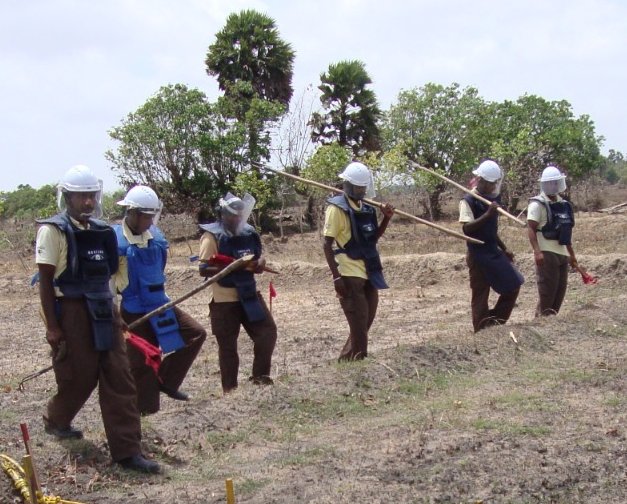
Mine action must move from being viewed as a standalone humanitarian task to becoming an integrated development priority. Clearance programs should align with national infrastructure plans, renewable energy corridors, transport networks, and agricultural revival strategies.
Evidence shows that investment in mine clearance generates significant socio-economic returns through reclaimed land use, increased productivity, and restored local economies. When clearance operations precede road construction, irrigation projects, or housing initiatives, development accelerates. Survivor assistance must also be embedded within national healthcare and livelihood systems — ensuring prosthetics, rehabilitation, psychosocial care, and vocational training are not temporary services but sustained commitments.
Education and community risk awareness must be strengthened, particularly for women and children who often bear disproportionate risks. Integration ensures that mine action is not an isolated intervention but a catalyst for broader humanitarian and economic resilience.
III. The Action - A Collective Commitment
Realizing the vision of “One Humanity” demands coordinated and courageous action. Governments must mainstream mine action into national development frameworks. Donors must prioritize predictable, long-term funding. Technology and data must guide impact-driven deployment.
We also make a sincere appeal to global corporates — including those operating in regions not directly affected by landmines — to recognize mine action as a humanitarian responsibility aligned with Environmental, Social, and Governance (ESG) and CSR commitments. Supporting mine clearance, survivor rehabilitation, risk education, and child- and women-focused protection programs can transform vulnerable futures into secure foundations.
Through direct funding, technology partnerships, employee engagement programs, or CSR initiatives, the private sector can play a decisive role. Horizon Safer World Foundation (INGO) stands ready to collaborate with corporations worldwide to design transparent, measurable, and high-impact programs that restore land, rebuild communities, and protect the most vulnerable. Mine action is not only about removing explosives — it is about restoring possibility. And in restoring possibility, we affirm the principle of One Humanity.